Many organizations are investing in marketing, but not always seeing the results they expect. In many cases, it comes down to how marketing is understood, executed, and supported within the organization.
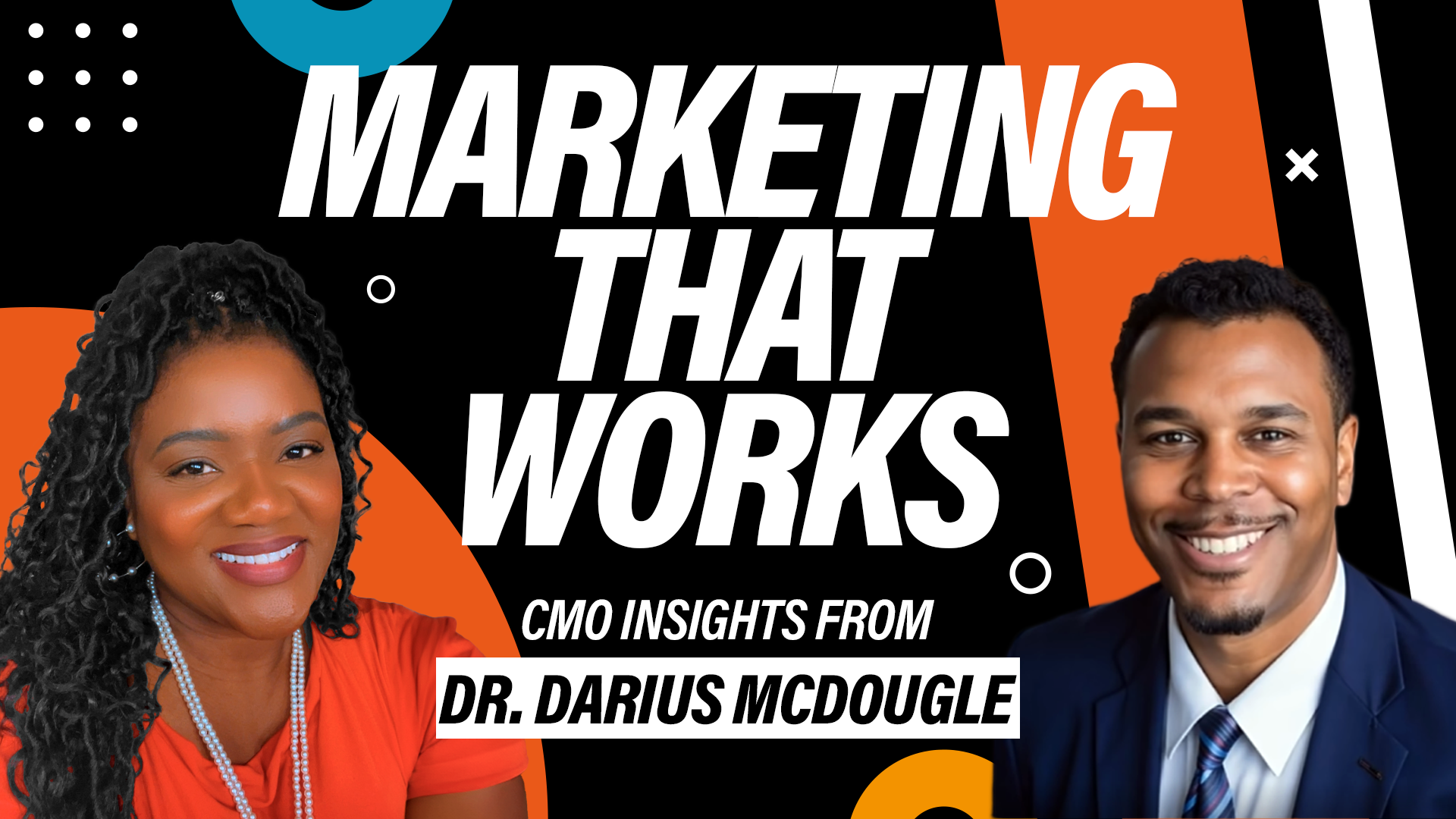
In a recent conversation, I sat down with Dr. Darius McDougle, Chief Marketing Officer at Purewave Life, to discuss marketing strategy, growth, and what it takes to drive meaningful results. Drawing from over 20 years of experience across both B2B and B2C environments, he shared practical insight into what consistently works in marketing and what often gets overlooked.
Watch the Full Conversation
Several key themes stood out throughout our conversation that consistently shape whether marketing efforts succeed or fall short.
Marketing Still Comes Down to Connection
While platforms, tools, and technology continue to evolve, the foundation of marketing remains the same. At its core, marketing is about clearly communicating value in a way that resonates with people. It’s not just about visibility, but also trust. Can you present your product or service in a way that not only captures attention but also builds confidence that it will deliver what it promises? That ability to communicate effectively is what drives response, engagement, and ultimately results.
Marketing Cannot Compensate for a Weak Product
One of the most direct insights from our conversation was this: marketing performs best when it is supported by a strong product or service. When organizations struggle to see results, the issue is not always the marketing itself. In many cases, the underlying product, customer experience, or perceived value is not strong enough to sustain growth. Marketing can create awareness and generate interest, but it cannot fix a poor experience. Long-term success requires alignment between what is promised and what is delivered.
Budget, Expectations, and Strategy Must Align
Another common breakdown occurs when expectations and resources are misaligned. Organizations often set aggressive growth goals without fully understanding what it takes to achieve them. Effective marketing requires a realistic understanding of:
- Cost to acquire a customer
- Budget needed to reach the right audience
- Time required to build momentum
Creativity Is the Differentiator in an AI-Driven Landscape
With the rise of AI and automation, many aspects of marketing have become more accessible. Strategies, messaging, and even creative assets can now be generated quickly. However, this accessibility has also created sameness. When everyone has access to the same tools, the differentiator becomes creativity. The ability to think beyond templates, develop original ideas, and bring a unique perspective is what sets strong marketers apart.
Creativity is no longer optional. It’s a requirement.
Looking Beyond the Data
One of the most impactful ideas from this conversation was the concept of looking beyond the data. While data is essential for guiding decisions, it does not always tell the full story. There are moments when performance issues are not immediately visible in metrics, and solving them requires observation, curiosity, and critical thinking. Strong marketers know how to use data, but they also know when to look beyond it.
Advice for Marketers Looking to Grow
For those entering the field or looking to grow in their careers, the path forward is not just about learning theory, but also gaining experience. Testing, experimenting, and working across different environments helps build both skill and perspective. Opportunities such as supporting smaller organizations or nonprofits can provide valuable hands-on experience, especially when resources are limited and creativity is required. Growth in marketing comes from doing, not just studying.
Final Thoughts
Marketing continues to evolve, but the fundamentals remain rooted in connection and execution. What stood out most in this conversation is that successful marketing is not driven by one tactic or tool. It is the result of multiple factors working together: strong positioning, realistic expectations, creativity, and a clear understanding of the audience. For organizations and marketers alike, the focus should not just be on doing more marketing, but on doing it more intentionally.